
Optimal Timing for Fire Restorations
Understanding the optimal time for fire restorations involves considering seasonal weather patterns, fire risk levels, and property conditions. The most suitable periods typically align with lower fire danger seasons, when environmental factors are less likely to impede restoration efforts or cause additional damage.
Fire restoration projects are often most effective during cooler, wetter months when access is easier and weather conditions support thorough cleanup and repairs.
Timing restorations during periods of low fire risk helps prevent re-ignition and ensures safety for restoration crews.
Assessing the extent of damage and moisture levels post-fire can determine the best window for restoration, often after initial hazards are mitigated.
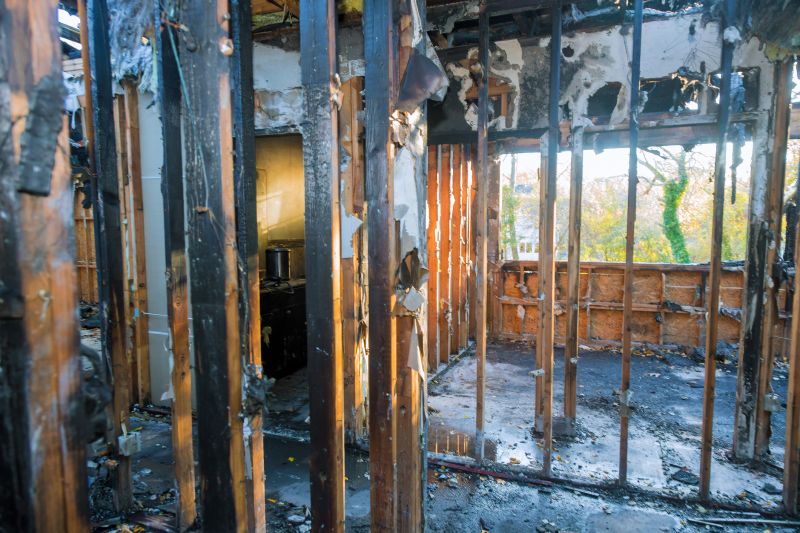
Ways to make Fire Restorations work in tight or awkward layouts.
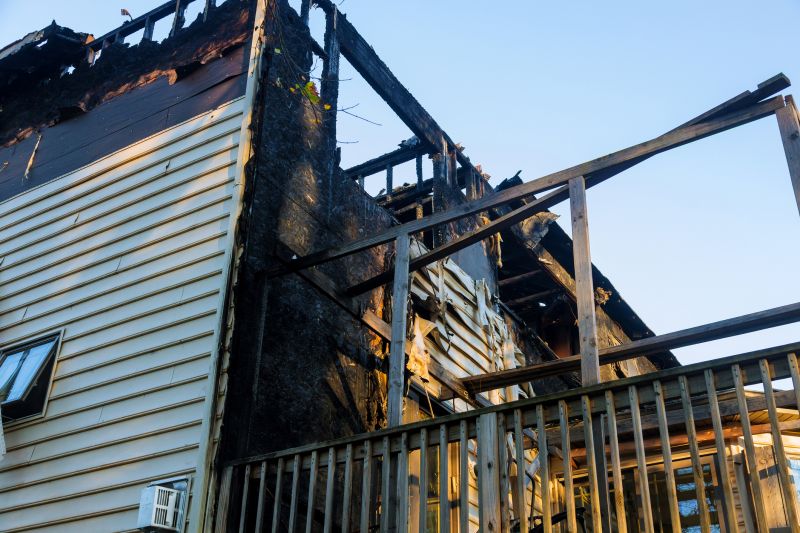
Popular materials for Fire Restorations and why they hold up over time.
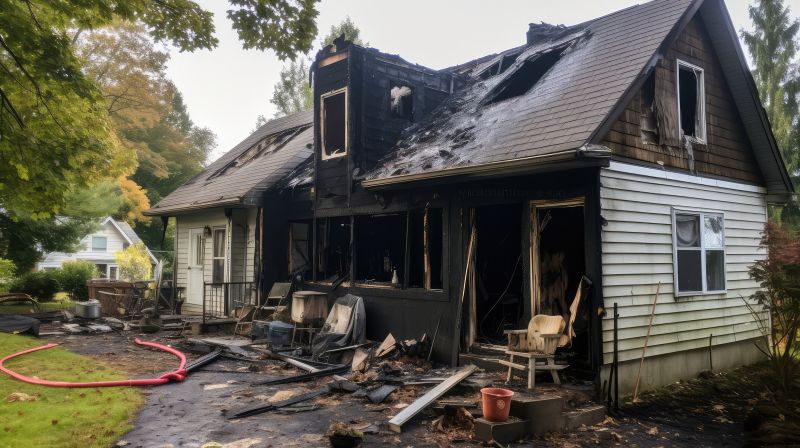
Simple add-ons that improve Fire Restorations without blowing the budget.
High-end options that actually feel worth it for Fire Restorations.
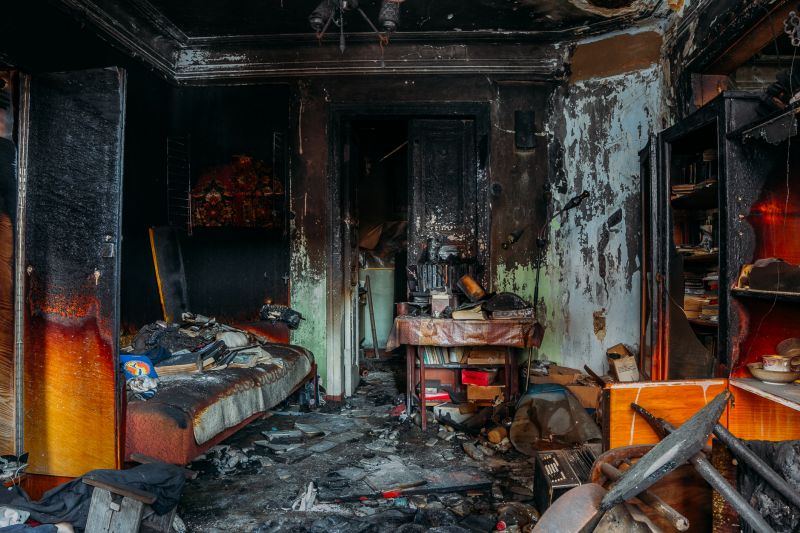
Finishes and colors that play nicely with Fire Restorations.

Little measurements that prevent headaches on Fire Restorations day.
Fire restorations involve comprehensive processes to restore property safety and structural integrity after fire damage. These include soot and smoke removal, structural repairs, and odor neutralization. The effectiveness of these procedures depends heavily on timely intervention and appropriate weather conditions, which facilitate thorough cleaning and minimize secondary damage.
Statistics indicate that prompt fire restoration reduces long-term repair costs and mitigates health risks associated with smoke and residue exposure. Proper timing ensures that restoration efforts are efficient and effective, preventing further deterioration and supporting property recovery.
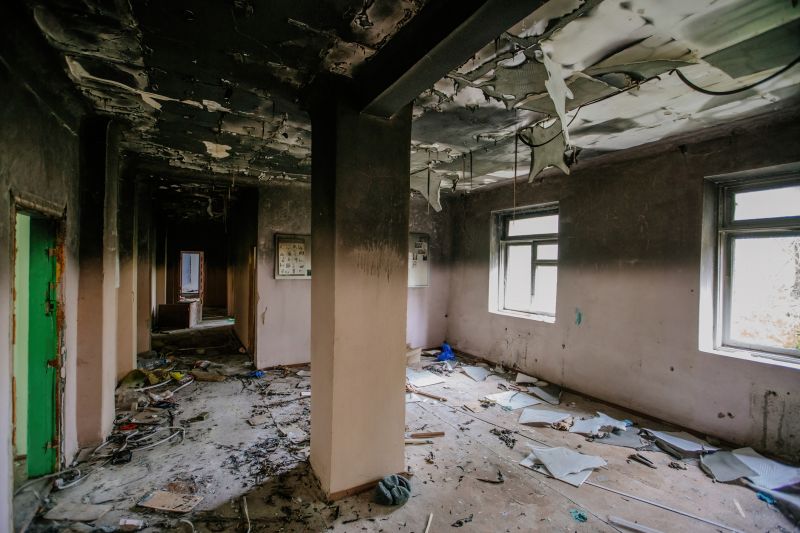
A 60-second routine that keeps Fire Restorations looking new.
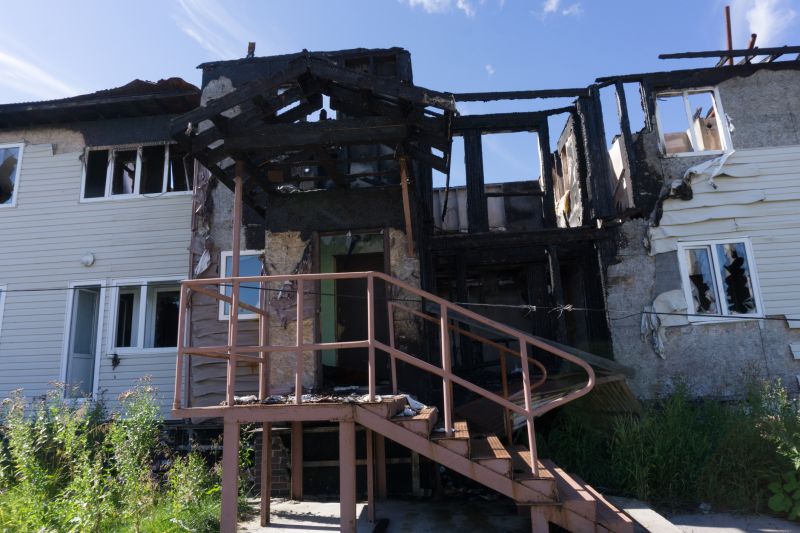
A frequent mistake in Fire Restorations and how to dodge it.

Small tweaks to make Fire Restorations safer and easier to use.
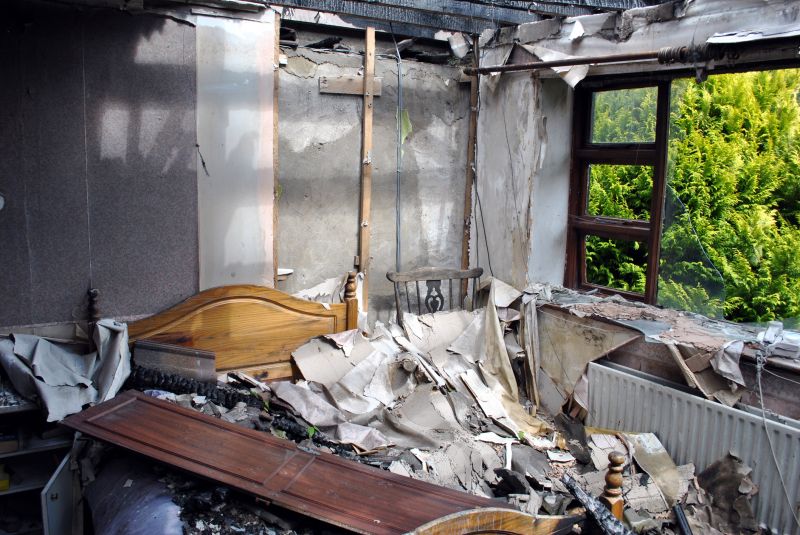
Lower-waste or water-saving choices for Fire Restorations.
| Season | Advantages |
|---|---|
| Spring | Lower fire risk, favorable weather for repairs |
| Summer | Longer daylight hours, good for extensive projects |
| Fall | Cooler temperatures, reduced fire danger |
| Winter | Less activity, potential access issues in some areas |
Filling out the contact form can provide additional guidance on scheduling fire restorations. Timing considerations are crucial for ensuring safety, efficiency, and quality of restoration work after fire damage in Denton, TX.